

Dimensions of a Deck of Cards: Complete Guide (Size, Thickness & Variations)
A deck of cards may look simple, but its dimensions are carefully designed for comfort, durability, and usability. Whether you are a player, collector, designer, or running an eCommerce or packaging business, understanding the exact size of a deck of cards can help you make better decisions. This knowledge also helps you choose the right packaging solutions like paper bags for eco-friendly retail presentation and mylar bags for secure, moisture-resistant storage and shipping.
In this detailed guide, you will learn about standard card sizes, deck thickness, box dimensions, and variations used around the world.
Standard Playing Card Dimensions

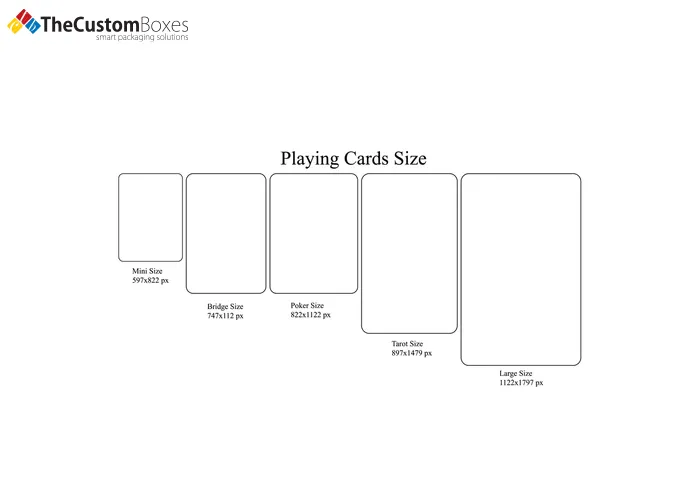
The most common playing cards follow a standard size used globally. These dimensions are designed to fit comfortably in the hand while being easy to shuffle.
Standard Poker Size Cards
- Width: 2.5 inches (63.5 mm)
- Height: 3.5 inches (88.9 mm)
This is the most widely used size, especially in casinos and home games.
Bridge Size Cards
- Width: 2.25 inches (57 mm)
- Height: 3.5 inches (88.9 mm)
Bridge cards are slightly narrower, making them easier to hold when players have many cards.
Quick Size Comparison Table
| Card Type | Width (inches) | Height (inches) | Width (mm) | Height (mm) | Usage |
|---|---|---|---|---|---|
| Poker Size | 2.5 | 3.5 | 63.5 | 88.9 | Casinos, poker games |
| Bridge Size | 2.25 | 3.5 | 57 | 88.9 | Bridge games |
| Mini Cards | 1.75–2.0 | 2.5–3.0 | 44–50 | 63–76 | Travel, kids |
| Jumbo Cards | 3.5–5.0 | 5.0–7.0 | 89–127 | 127–178 | Displays, teaching |
Dimensions of a Full Deck of Cards

A standard deck includes 52 cards plus optional 2 jokers, making a total of 54 cards.
Deck Thickness
- Average thickness per card: ~0.3 mm
- Total deck thickness: 15–20 mm (0.6–0.8 inches)
This can vary depending on the card material and finish.
Deck Weight
- Typical weight: 90–110 grams
Heavier decks often feel more premium and durable.
Dimensions of a Card Box (Tuck Box)
The cards are usually stored in a tuck box, which also follows standard sizing.
Standard Tuck Box Size
- Width: 2.6 inches (66 mm)
- Height: 3.6 inches (91 mm)
- Depth: 0.7 inches (18 mm)
These dimensions allow the cards to fit snugly without being too tight.
Why Card Dimensions Matter
Understanding the dimensions of a deck of cards is important for several reasons:
1. Ease of Handling
Standard sizes are designed to fit comfortably in your hand. Narrow cards (bridge size) are easier for people with smaller hands.
2. Shuffling and Gameplay
Correct dimensions ensure smooth shuffling, dealing, and gameplay. Oversized or undersized cards can make handling difficult.
3. Packaging Design
If you are in the packaging business, knowing exact dimensions helps you design:
- Custom rigid boxes
- Folding cartons
- Display packaging
4. Printing and Customization
Designers need exact measurements for:
- Artwork alignment
- Bleed areas
- Safe zones
Card Thickness and Material
Not all cards are made the same. Thickness depends on the material and finish.
Common Materials
- Paperboard (standard cards): Affordable and widely used
- Plastic-coated paper: More durable and water-resistant
- 100% plastic cards: Premium quality, long-lasting
Thickness Range
| Material Type | Thickness per Card |
|---|---|
| Standard paper | 0.25–0.30 mm |
| Premium coated | 0.30–0.35 mm |
| Plastic cards | 0.30–0.40 mm |
Thicker cards feel more durable but may be harder to shuffle.
Variations in Card Deck Dimensions
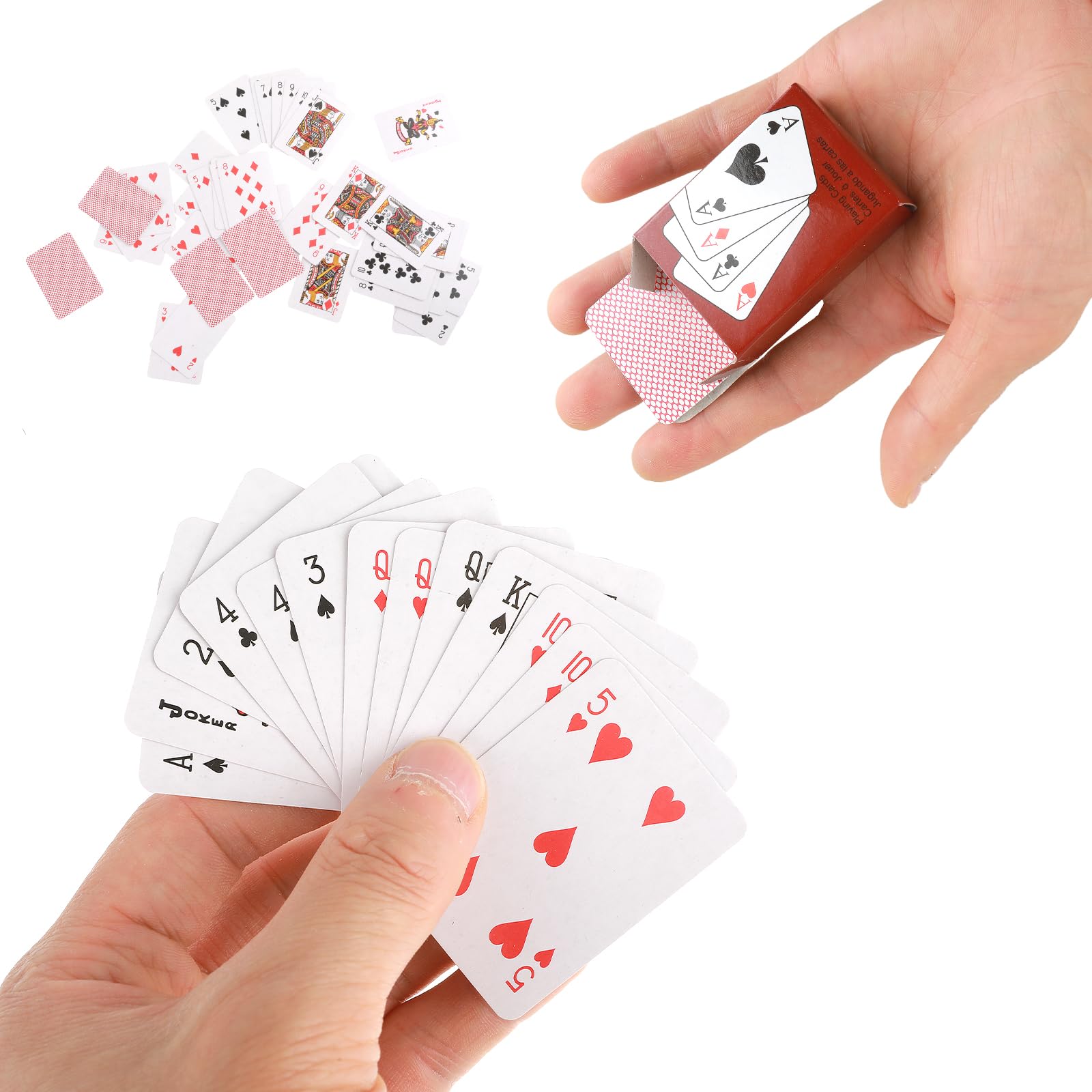


While standard sizes dominate the market, there are several variations:
Mini Decks
- Compact and portable
- Used for travel or promotional items
Jumbo Decks
- Larger cards for visibility
- Ideal for teaching or stage performances
Novelty Decks
- Custom shapes and sizes
- Used for branding or gifts
International Differences
Although poker size is the global standard, some regions prefer different formats:
- USA & Europe: Poker size dominates
- UK: Bridge size is more common
- Asia: Mix of both, depending on game type
However, most manufacturers stick to standard dimensions for compatibility.
Standard Printing Guidelines for Cards
If you are planning to design or print custom cards, follow these standard guidelines:
Bleed Area
- Add 3 mm bleed on all sides
Safe Zone
- Keep text and important elements 5 mm inside the edge
Resolution
- Use 300 DPI for high-quality printing
File Format
- Preferred formats: PDF, AI, PSD
Deck Dimensions for Packaging Businesses
If you are working in custom packaging (especially relevant for eCommerce or branding), knowing deck dimensions is crucial.
Recommended Box Types
- Tuck boxes (standard)
- Rigid boxes (premium look)
- Magnetic closure boxes (luxury packaging)
Packaging Tips
- Always allow 1–2 mm extra space for easy insertion
- Use durable materials to protect cards
- Consider lamination or coating for premium feel
Common Questions About Deck Dimensions
How many cards are in a deck?
A standard deck has 52 cards, plus 2 jokers in many cases.
Are all decks the same size?
No. Poker and bridge sizes are the most common, but mini and jumbo decks also exist.
What is the thickness of a full deck?
Usually between 15 mm and 20 mm, depending on material.
Can I customize card size?
Yes. Custom sizes are widely used for branding and promotional purposes.
Final Thoughts
The dimensions of a deck of cards may seem like a small detail, but they play a big role in usability, design, and packaging. The standard poker size (2.5 x 3.5 inches) remains the most popular choice worldwide because it offers the perfect balance of comfort and functionality.
Whether you are designing custom cards, creating packaging, or simply curious, understanding these dimensions helps you make smarter and more professional decisions.